
2026-09-04 ·
How Chicago Winters Lead to Ice Dams and Gutter Strain
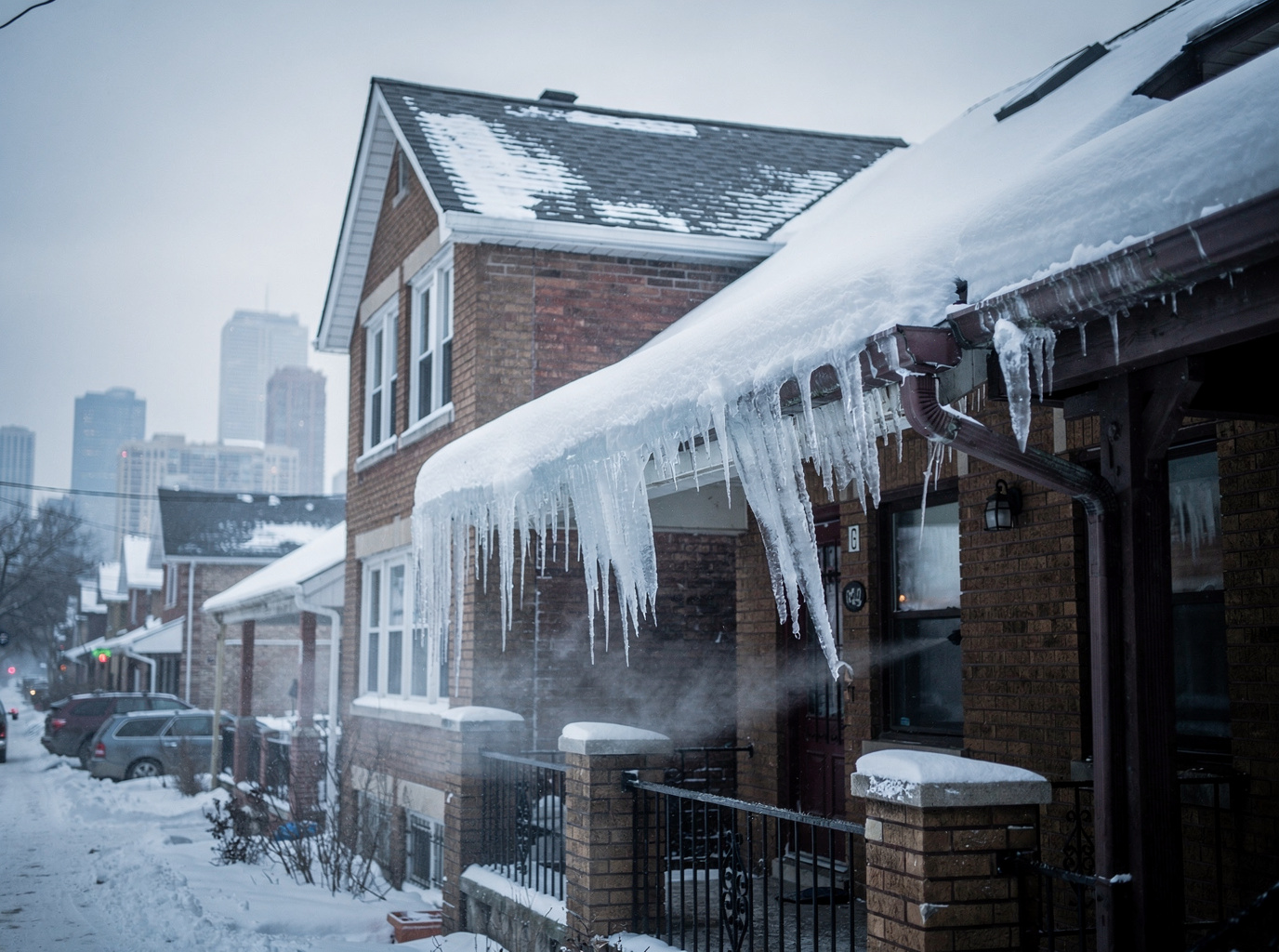
Chicago winters lead to ice dams and gutter strain primarily due to our humid continental climate, which features frequent temperature fluctuations around the freezing point, coupled with heavy snowfall. When heat escapes from your home's attic and warms the roof surface, it melts snow, even if outdoor temperatures are below freezing. This meltwater then flows down the roof until it reaches the colder eaves, which are typically unheated and at the ambient outdoor temperature. Here, the water refreezes, forming a barrier of ice—an ice dam—that prevents further meltwater from draining through the gutters. This trapped water then backs up under shingles, saturating fascia boards, and putting immense, damaging weight on your entire gutter system, a common issue for many homes from the historic two-flats in Lincoln Park to the bungalows of Logan Square.
The Chicago Winter Climate and Its Role
Our city's humid continental climate is a significant factor in the prevalence of ice dams. While we experience hot, humid summers, the cold winters bring ample snowfall and, critically, temperatures that often hover around 32°F (0°C). This creates a perfect scenario for repeated freeze-thaw cycles. A sunny winter day might warm a roof enough to melt snow, even if the air temperature remains below freezing, particularly on south-facing slopes. As evening approaches, temperatures drop, and any standing water or meltwater refreezes. This cycle, repeated over days or weeks, allows ice dams to grow progressively larger. Homes throughout Cook County, from Evanston to Oak Park and across Chicago neighborhoods like Lakeview and Uptown, are equally susceptible, as the localized weather patterns near Lake Michigan can influence snowfall amounts and temperature shifts, sometimes even exacerbating the issue with lake-effect snow.
How Ice Dams Form: A Step-by-Step Breakdown
The formation of an ice dam is a process driven by temperature differences across your roof. It begins with a layer of snow accumulating on your roof. Next, inadequate attic insulation or ventilation allows heat from your home to escape into the attic, warming the roof deck above the living spaces. This warmth melts the underside of the snowpack, creating liquid water that flows downhill beneath the snow layer. As this meltwater reaches the colder eaves and gutters, which extend beyond the heated portion of the house, it refreezes. This initial layer of ice then acts as a barrier, trapping subsequent meltwater behind it. This pooling water can then penetrate under the roof shingles, leading to significant interior damage and potentially compromising your home's structure. This is especially true for older Chicago homes in areas like Wicker Park or Hyde Park, where original insulation might be less effective, making them prime candidates for this type of winter damage. Preventing water from pooling around your foundation is critical, which is why proper downspout placement, as discussed in our article on Preventing Basement Water Issues From Downspout Placement in Urban Yards, is so important.
The Strain on Your Gutters
The sheer weight of ice dams and the trapped water behind them places an enormous strain on your home's gutter system. A cubic foot of ice weighs approximately 57 pounds. A significant ice dam can easily weigh hundreds, if not thousands, of pounds, pulling gutters away from the fascia board. This excessive weight can cause gutters to bend, sag, twist, or even detach entirely from your home, leading to costly Gutter Repair needs. Beyond the weight, the expansion and contraction of ice can warp and crack gutter material, compromising their ability to channel water effectively once the thaw finally arrives. This stress highlights the importance of robust Gutter Installation and properly secured gutters, especially for properties around busy areas like the Chicago Riverwalk or near landmarks such as the Willis Tower, where structural integrity is paramount.
Beyond the Gutter: Damage to Your Home
While damaged gutters are a visible consequence, the impact of ice dams extends much further, threatening the integrity of your entire home. When water backs up behind an ice dam and seeps under roof shingles, it can infiltrate your attic, walls, and ceilings. This moisture can saturate insulation, reducing its effectiveness and leading to higher heating bills. It can also cause drywall to sag and stain, and create ideal conditions for mold and mildew growth, posing health risks and requiring extensive remediation. Furthermore, prolonged moisture exposure can lead to rotting fascia boards, soffits, and roof decking, compromising the structural components of your home. In severe cases, water can even trickle down to the foundation, potentially causing cracks or basement flooding. These issues are particularly concerning for multi-story residential buildings common in the West Loop or South Loop, where water damage can cascade through multiple units.
Preventing Ice Dams and Protecting Your Gutters
Proactive measures are key to mitigating ice dam formation and protecting your gutters during Chicago's harsh winters. First, ensure your attic has adequate insulation and ventilation to minimize heat loss through the roof. A properly insulated attic keeps the roof deck cold, preventing snow from melting prematurely. Second, thorough Gutter Cleaning before winter is crucial; clogged gutters filled with leaves and debris prevent proper drainage, exacerbating ice dam issues. Third, consider installing Gutter Guards to keep debris out, though they are not a complete ice dam solution if attic heat loss is severe. For persistent problems, heat cables can be installed along eaves and in gutters to melt ice. Finally, ensure your gutters are correctly sized and pitched to handle the heavy rainfall and snowmelt typical of our region. Addressing these issues before the cold sets in can save homeowners in places like Andersonville, Bridgeport, or Pilsen from significant damage and costly repairs.
Chicago's winter weather poses a unique challenge to home maintenance, with ice dams being a recurring and potentially destructive issue. By understanding how our specific climate conditions contribute to their formation and taking preventative steps, you can significantly reduce the risk of damage to your gutters and home. Regular maintenance and professional inspections are invaluable in ensuring your property is prepared to withstand the freeze-thaw cycles that define our local winters. Don't wait until you see an ice dam forming; prepare your home's gutter system now to avoid future headaches.