
2026-09-04 ·
Step-by-Step Guide to Inspecting Gutters After Heavy Spring Rains
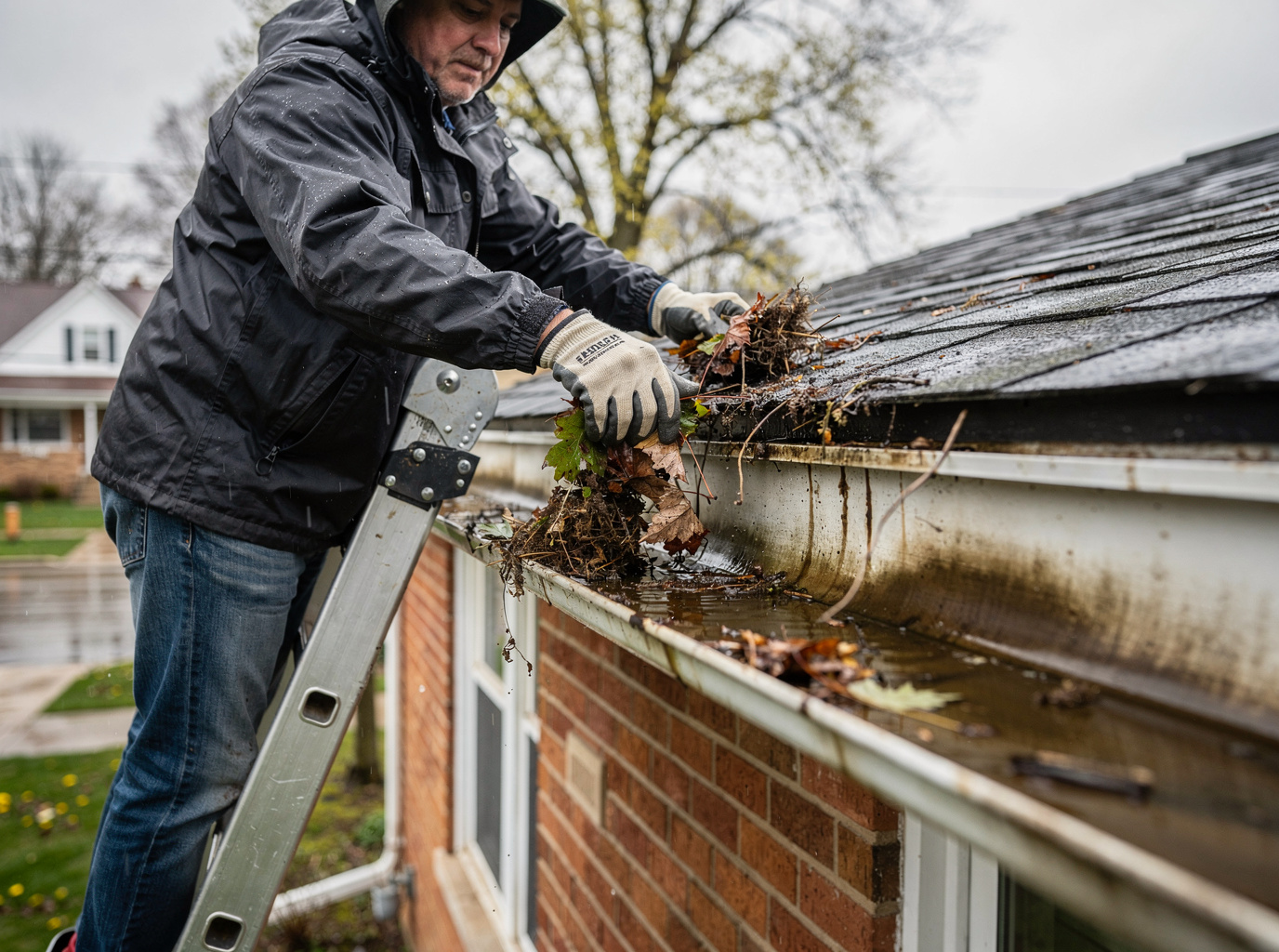
After any significant spring rainfall in Chicago, a thorough gutter inspection is not just recommended, but essential to safeguard your home against potential water damage. This step-by-step guide will walk you through the process, helping you identify common issues from clogged downspouts to structural damage, ensuring your system is ready for the next storm that rolls off Lake Michigan. Given our city's humid continental climate, characterized by cold winters and hot, often stormy, summers, spring often brings intense precipitation that can quickly expose vulnerabilities in your home's drainage, particularly for properties in neighborhoods like Lincoln Park or Hyde Park with their mature tree canopies and historic architecture.
Why Spring Rains Demand Immediate Gutter Attention in Chicago
Chicago's weather patterns mean our homes endure significant stress throughout the year. The transition from a cold, often snowy winter to a wet spring can be particularly harsh on gutter systems. Winter's freeze-thaw cycles can cause expansion and contraction, loosening fasteners and creating small cracks that heavy spring rains then exploit. Furthermore, the accumulation of tree debris from fall and winter, especially prevalent in tree-lined areas like Lakeview and Andersonville, can form stubborn clogs. When torrential spring downpours hit, these blockages force water to overflow, leading to potential fascia rot, foundation damage, and even basement flooding – a common concern for many older homes across Cook County. A timely inspection helps mitigate these risks.
Essential Tools for a Safe Gutter Inspection
Before you begin your inspection, gather the right tools to ensure both effectiveness and safety. A sturdy ladder is paramount; ensure it's rated for your weight plus any tools, and always have a spotter. You'll need heavy-duty work gloves to protect your hands from sharp debris and grime. A small bucket or trash bag is useful for collecting leaves and other blockages. A garden hose will be crucial for testing water flow. For an initial assessment from the ground, binoculars can help you spot obvious issues without climbing. Always prioritize safety: never inspect during a storm, and ensure your ladder is on stable, level ground, especially around homes in older, sometimes uneven, areas like Pilsen or Bridgeport.
Step-by-Step Gutter Inspection Process
1. Visual Check from the Ground
Start your inspection by walking around your home. Use binoculars to look for obvious signs of distress. Are there any sections of gutter visibly sagging or pulling away from the fascia? Do you see any overflow marks or streaking on the siding, indicating water is consistently spilling over the edges? Check if downspouts appear bent, detached, or are directing water too close to the foundation. This initial ground-level assessment can often reveal significant problems without ever climbing a ladder, giving you a clearer picture of where to focus your closer attention. Pay particular notice to areas beneath roof valleys, which typically handle a higher volume of water.
2. Ladder Inspection (Safety First)
Once you've completed your ground-level check, position your ladder securely. Climb up and carefully inspect the inside of the gutters. Look for debris accumulation such as leaves, twigs, shingle grit, and even nesting materials from birds or rodents. These are the most common culprits for blockages, especially in neighborhoods like Logan Square or Rogers Park with mature trees. Clear out any visible debris by hand, placing it into your bucket or bag. Check for standing water, which indicates a low spot or a blockage downstream. If you encounter significant debris, professional assistance for Gutter Cleaning might be a safer and more effective option.
3. Inspecting for Damage (Cracks, Leaks, Sagging)
As you move along the gutters, meticulously examine the material for any signs of damage. Look for cracks, holes, or rust spots, particularly at seams and corners. Check the condition of the hangers and fasteners – are they loose, bent, or missing entirely? Gutter sections that are pulling away from the fascia board can lead to significant water damage to your roofline. Also, inspect the fascia board itself for any signs of water staining or rot, which often indicates a persistent leak. Minor issues can often be repaired, but widespread damage might necessitate Gutter Repair by professionals.